Year 7 Transition: Preparing Your Child for Secondary School in Australia
The jump from primary to secondary is significant. What research says about supporting wellbeing, academic readiness, and social connection.
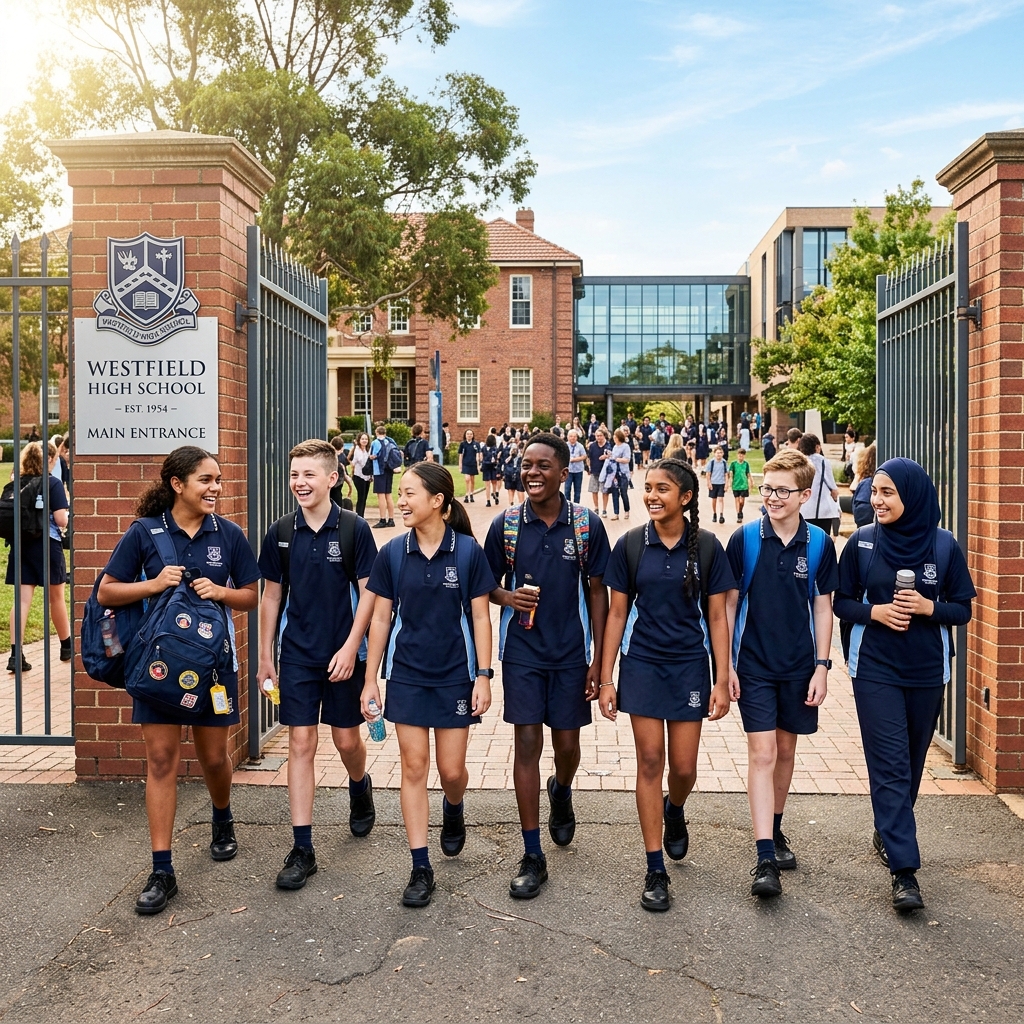
My son walked into his new secondary school in February looking approximately four centimetres smaller than he had the week before. He was a Year 7 student, and he had just spent two years as a Year 6 king-of-the-jungle at his primary school. Now he was the smallest person in the corridor again, navigating a timetable with seven different subjects, seven different teachers, and a locker combination he kept getting wrong.
The transition from primary to secondary school is one of those developmental moments that gets a lot of lip service in school newsletters and not enough serious attention from researchers and parents combined. Here is what the evidence actually says.
The Year 7 dip is real
ACER has documented a consistent "Year 7 dip" in Australian students' academic engagement and wellbeing outcomes. Students who were performing confidently in Year 6 often show a measurable plateau or decline in Year 7 outcomes — not because they've got less capable, but because the environmental demands have increased dramatically at the same time as the social landscape they understood has been completely reset.
Multiple teachers instead of one. No guaranteed best friend in class. A much larger physical space to navigate. More homework, more independently managed. Higher academic stakes. And — because Year 7 in most states has moved to secondary school — all of this happening at the same time as early adolescence, which is not, it turns out, the most emotionally stable period of human development.
This dip is normal. It passes for most students by mid-Year 8. But knowing it's coming means you can respond to it with proportionate calm rather than alarm.
What schools do in Term 4 of Year 6
Most Australian secondary schools run transition programs of some kind — orientation days, sometimes two, where Year 6 students visit the new school, meet some of their future classmates, and get a feel for the environment. These programs vary enormously in quality.
At their best, they involve structured activities that get students working alongside unfamiliar peers (deliberately mixing primary school friendship groups), a genuine tour that covers the things students actually worry about (where are the toilets, what if I get lost, what happens if I forget my locker combination), and authentic time with a trusted older peer guiding them around rather than a well-meaning teacher delivering an orientation script.
At their worst, they are a 90-minute PowerPoint presentation from the assistant principal followed by a brief tour. If your child comes home from orientation still anxious, the program may not have done much. And that's information worth having before February.
Academic preparation that actually matters
The single most useful thing you can do academically to prepare a child for secondary school is ensure that their literacy and numeracy foundations are solid before they arrive. Not extensive, just solid.
A student who arrives in Year 7 unable to read their science textbook independently, or who cannot comfortably work with fractions and percentages, will spend a significant portion of their first year managing that deficit rather than accessing the curriculum with confidence. Targeted tutoring in Semester 2 of Year 6 to close any specific gaps is, in my view, far better use of resources than extensive secondary-school coaching programs.
The other genuinely useful academic preparation is organisational: diary-keeping, understanding how to break a multi-part assignment into steps, knowing how to ask a teacher for help. These are learnable skills that most primary schools touch on but secondary school assumes at a much higher level.
The friendship question
Most parents worry about their child going to secondary school without their primary school friends. This is, broadly speaking, a manageable concern but not an unimportant one.
Research on adolescent wellbeing and school transition is pretty clear that having at least one established friendship on entry significantly reduces the risk of the transition becoming genuinely difficult. If at all possible, knowing even one future classmate before the first day is worth engineering — it doesn't need to be a best friend, just a familiar face.
If your child is heading to a school where they know nobody, facilitate a summer connection if possible (sports programs, drama camps, community activities that draw from the new school's catchment are all useful for this), and talk to your child's primary teacher about which students from their class might be transitioning to the same school.
What Year 7 actually looks like from the inside
My son, now in Year 9, tells me Year 7 was "fine, mostly, except for the locker." He made a close friend by Week 3 through a mutual interest in video games that neither of us knew they shared until they sat next to each other in Maths. His grades dipped slightly in Term 1 and recovered by Term 3. He got the locker combination wrong until the end of February.
It was, in the end, fine. Mostly.